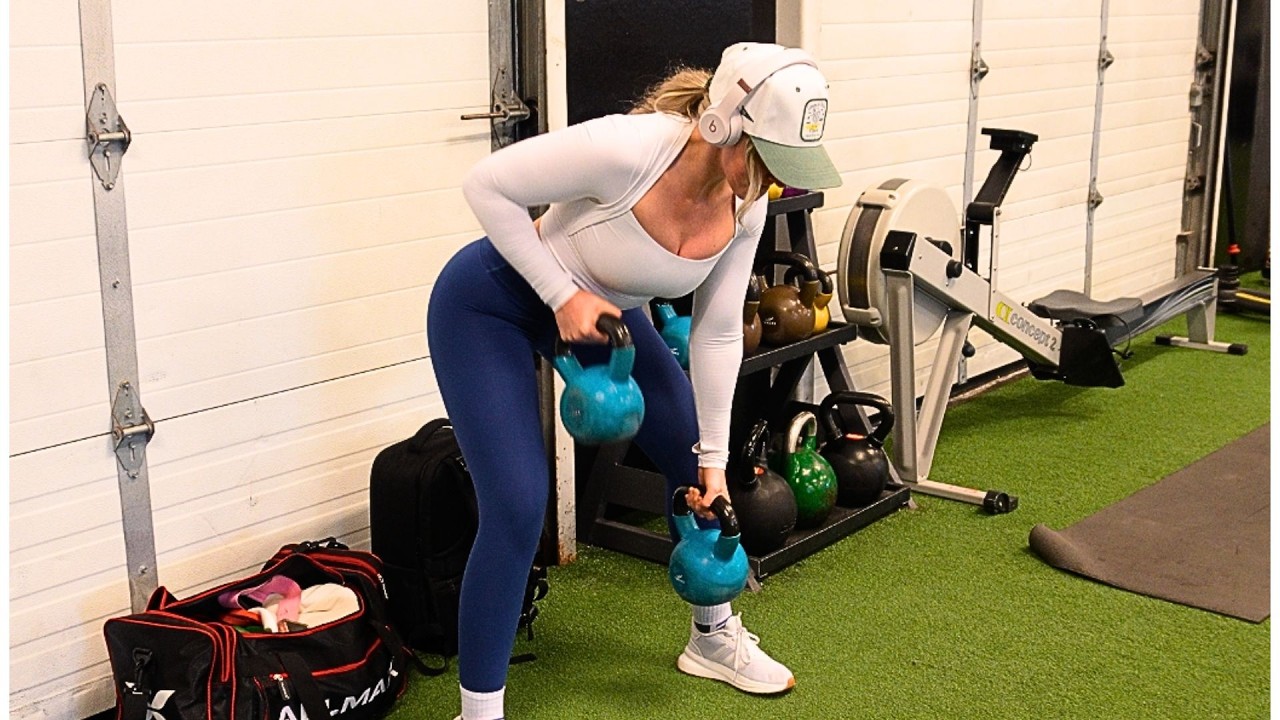
Upper Pull Day: The Ultimate Guide to Building a Strong, Sculpted Back (US Fitness Guide)

Upper Pull Day: The Ultimate Guide to Building a Strong, Sculpted Back (US Fitness Guide)
Upper Pull Day: The Ultimate Guide to Building a Strong, Sculpted Back (US Fitness Guide)
What if one workout day could transform your posture, boost your strength, and give you that powerful V-taper look? That’s exactly what an Upper Pull Day can do when done right.
Whether you’re new to the gym or leveling up your routine, structuring your workouts around a push/pull split is one of the smartest ways to train. And the “pull” day—focused on your back, biceps, and rear shoulders—is where real upper-body definition begins.
Let’s break it down in a simple, human way so you can actually use it—and see results.
What Is an Upper Pull Day?
An Upper Pull Day targets all the muscles involved in pulling movements. That includes:
- Back muscles (lats, traps, rhomboids)
- Biceps
- Rear deltoids (shoulders)
- Forearms
Any time you pull weight toward your body—like rows or pull-ups—you’re working these muscle groups.
This workout is typically part of a Push/Pull/Legs split, a popular routine across the US because it balances recovery and performance.
Why Upper Pull Day Matters
If you’re only doing chest and arms, you’re missing half the picture. A strong back is the foundation of a powerful physique.
1. Builds the V-Taper Look
That wide-back, slim-waist appearance? It comes from well-developed lats.
2. Improves Posture
Sitting at a desk all day (very common in the US) can round your shoulders. Pull workouts help reverse that.
3. Boosts Overall Strength
Your back muscles are some of the strongest in your body. Training them improves performance in other lifts like deadlifts and squats.
4. Reduces Injury Risk
Balanced training prevents muscle imbalances that can lead to shoulder and back pain.
The Best Upper Pull Day Workout (Step-by-Step)
Here’s a complete, beginner-to-intermediate friendly routine you can follow.
1. Pull-Ups (or Assisted Pull-Ups)
Sets: 3–4
Reps: 6–10
This is the king of upper pull exercises.
- Targets: Lats, upper back, biceps
- Tip: If you can’t do a full pull-up yet, use a resistance band or machine.
2. Barbell Rows
Sets: 3–4
Reps: 8–12
A must-have for building thickness in your back.
- Keep your back straight
- Pull the bar toward your lower chest
- Control the movement—don’t swing
3. Lat Pulldowns
Sets: 3
Reps: 10–12
Perfect for beginners or as a supplement to pull-ups.
- Focus on squeezing your lats at the bottom
- Avoid pulling with just your arms
4. Seated Cable Rows
Sets: 3
Reps: 10–12
Great for mid-back development.
- Sit upright, not leaning back too far
- Pull to your torso and squeeze shoulder blades together
5. Face Pulls
Sets: 3
Reps: 12–15
Often overlooked—but super important.
- Targets rear delts and upper traps
- Helps improve shoulder health and posture
6. Dumbbell Bicep Curls
Sets: 3
Reps: 10–12
Because yes—everyone wants stronger, more defined arms.
- Keep elbows close to your body
- Avoid swinging the weights
7. Hammer Curls
Sets: 3
Reps: 10–12
Targets the brachialis and forearms.
- Helps add thickness to your arms
- Improves grip strength
Sample Weekly Split (US-Friendly Routine)
Here’s how you can fit Upper Pull Day into your week:
- Monday: Push Day (chest, shoulders, triceps)
- Tuesday: Pull Day (back, biceps)
- Wednesday: Rest or cardio
- Thursday: Legs
- Friday: Pull Day (optional second session)
- Weekend: Active recovery or rest
This structure works well for busy schedules, whether you’re a student or working full-time.
Common Mistakes to Avoid
Even with the best plan, mistakes can slow your progress.
1. Using Too Much Weight
If your form breaks, your muscles aren’t doing the work.
👉 Fix: Lower the weight and focus on control.
2. Pulling with Your Arms Only
Your back should do most of the work—not just your biceps.
👉 Fix: Think “pull with your elbows,” not your hands.
3. Skipping Rear Delts
Many people ignore this small muscle group.
👉 Fix: Always include face pulls or reverse flys.
4. Poor Mind-Muscle Connection
Going through the motions isn’t enough.
👉 Fix: Slow down and feel each rep.
Nutrition Tips for Better Results
You can’t out-train a bad diet.
Protein Intake
Aim for about 0.7–1 gram of protein per pound of body weight.
Good sources:
- Chicken
- Eggs
- Fish
- Greek yogurt
- Protein shakes
Stay Hydrated
Muscles are about 75% water—hydration matters more than you think.
Pre-Workout Fuel
Eat a small meal with carbs + protein about 60–90 minutes before training.
Example:
- Oatmeal + banana + protein shake
How Long Until You See Results?
Consistency is everything.
- 2–3 weeks: Increased strength
- 4–6 weeks: Visible muscle tone
- 8–12 weeks: Noticeable transformation
Stick with it, and your Upper Pull Day will start paying off.
Who Should Do Upper Pull Day?
This routine is perfect for:
- Beginners starting a structured program
- Intermediate lifters wanting better results
- Anyone looking to improve posture
- People aiming for a lean, athletic look
Final Thoughts
An Upper Pull Day isn’t just another gym session—it’s a game-changer for your physique and strength.
By focusing on proper form, consistency, and smart programming, you’ll build a stronger back, bigger arms, and better posture over time.
Start simple. Stay consistent. Train smart.
If you want, I can customize this into a personalized workout plan based on your body type or goals (fat loss, muscle gain, beginner, etc.).