
Incident at Public Park Leads to Arrest and Sparks Nationwide Debate on Boundaries
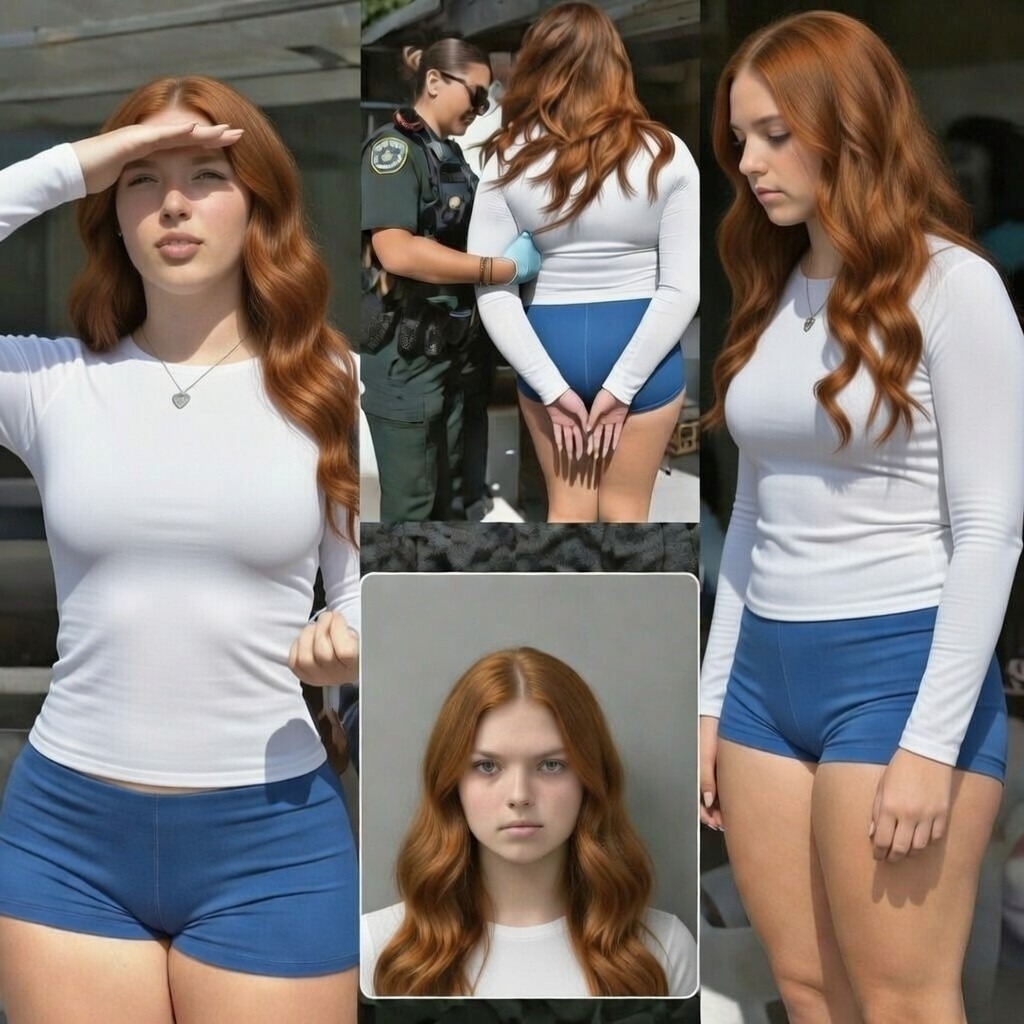
Incident at Public Park Leads to Arrest and Sparks Nationwide Debate on Boundaries
Incident at Public Park Leads to Arrest and Sparks Nationwide Debate on Boundaries
Incident at Public Park Leads to Arrest and Sparks Nationwide Debate on Boundaries
In the United States, a country with one of the highest incarceration rates in the world, juvenile sentencing remains a deeply debated
Here’s a strong, human-toned SEO-style article (US audience, ~1200 words) based on your headline:
Incident at Public Park Leads to Arrest and Sparks Nationwide Debate on Boundaries
A quiet afternoon turned into a viral flashpoint—raising serious questions about personal boundaries, public behavior, and where society draws the line.
What started as an ordinary day in a local public park quickly escalated into a situation that has captured national attention. A recent incident involving inappropriate conduct led to an arrest, but the conversation didn’t end there. Instead, it sparked a widespread debate across social media, news platforms, and communities across the United States.
At the heart of the issue lies a complex and increasingly relevant question: What are the boundaries of acceptable behavior in public spaces?
What Happened at the Park?
According to reports, law enforcement responded to complaints from park visitors who witnessed behavior deemed inappropriate and disruptive. Authorities arrived at the scene, assessed the situation, and ultimately made an arrest.
While the specifics vary depending on sources and eyewitness accounts, the core issue remains consistent—an individual allegedly crossed social and legal boundaries in a shared public environment.
The incident quickly spread online, with videos and commentary going viral within hours. As is often the case in today’s digital age, public opinion formed rapidly—and not always uniformly.
Why This Incident Is Gaining National Attention
This isn’t just about one arrest. It’s about what the situation represents.
Public parks are traditionally seen as safe, inclusive spaces—places where families, children, and individuals can relax without concern. When that sense of safety is disrupted, it resonates deeply with people.
Several factors contributed to the nationwide reaction:
1. The Power of Viral Media
Smartphones and social media platforms have transformed local incidents into global conversations. Within hours, millions of people had viewed clips, shared opinions, and taken sides.
2. Diverse Interpretations
Some viewers believed the arrest was justified, citing concerns about safety and decency. Others questioned whether the response was excessive or misunderstood.
3. Cultural and Social Sensitivities
Different communities have different expectations when it comes to acceptable public behavior. What one group considers harmless, another may view as inappropriate.
The Legal Perspective: Where Are the Boundaries?
From a legal standpoint, public behavior is governed by a mix of local ordinances, state laws, and federal regulations. These laws are designed to maintain order and protect individuals in shared spaces.
Common legal considerations include:
- Public indecency laws
- Disturbing the peace
- Disorderly conduct
- Endangerment or harassment
However, the interpretation of these laws can vary. Law enforcement officers often rely on judgment calls based on the situation, context, and complaints received.
This gray area is exactly what fuels debates like the one we’re seeing now.
Public Reaction: A Divided Conversation
The online response to the incident has been anything but unified.
Support for the Arrest
Many people argue that rules exist for a reason. Public spaces are shared by people of all ages, and maintaining a certain standard of behavior is essential.
Supporters believe:
- The arrest reinforces accountability
- It protects families and children
- It sets a clear example of consequences
Criticism of the Response
On the other side, critics question whether the situation warranted such a strong reaction.
They argue:
- The response may have been disproportionate
- Context and intent were not fully considered
- Personal freedoms may be at risk
The Bigger Issue: Personal Freedom vs. Public Responsibility
This incident highlights a broader societal tension—the balance between individual freedom and collective responsibility.
In the United States, personal freedom is a deeply valued principle. However, that freedom is not absolute, especially in shared spaces.
Public environments require a level of mutual respect. Actions that may seem harmless to one person can impact others in unexpected ways.
This raises important questions:
- Where should the line be drawn?
- Who decides what is “appropriate”?
- How do we ensure fairness in enforcement?
The Role of Social Media in Shaping the Narrative
Social media platforms played a major role in amplifying this incident. While they allow for greater awareness, they also come with challenges:
Rapid Spread of Information
Details—accurate or not—spread quickly, often before official statements are released.
Emotional Reactions
People tend to respond emotionally to viral content, which can intensify debates and create division.
Lack of Full Context
Short clips rarely tell the whole story, leading to assumptions and misinterpretations.
Community Impact and Safety Concerns
For many local residents, the incident has raised concerns about safety and the use of public spaces.
Parents, in particular, have voiced worries about:
- The environment their children are exposed to
- The consistency of rule enforcement
- The overall sense of security in community areas
At the same time, others emphasize the importance of not over-policing behavior in ways that could limit personal expression.
Moving Forward: Finding Common Ground
While opinions may differ, one thing is clear—this incident has opened the door for meaningful conversation.
Potential Solutions Include:
1. Clearer Guidelines
Local governments can provide more specific definitions of acceptable behavior in public spaces.
2. Community Engagement
Open discussions between residents, law enforcement, and policymakers can help align expectations.
3. Balanced Enforcement
Ensuring that laws are applied fairly and consistently is key to maintaining trust.
4. Education and Awareness
Helping people understand both their rights and responsibilities can prevent future incidents.
Final Thoughts
The public park incident may have started as a localized event, but its impact has extended far beyond one community. It has become a reflection of larger societal questions—about freedom, respect, and how we coexist in shared spaces.
As the conversation continues, one thing remains certain:
Finding the right balance between personal expression and public responsibility is more important than ever.
And in a world where every moment can go viral, that balance isn’t just a legal issue—it’s a cultural one.